

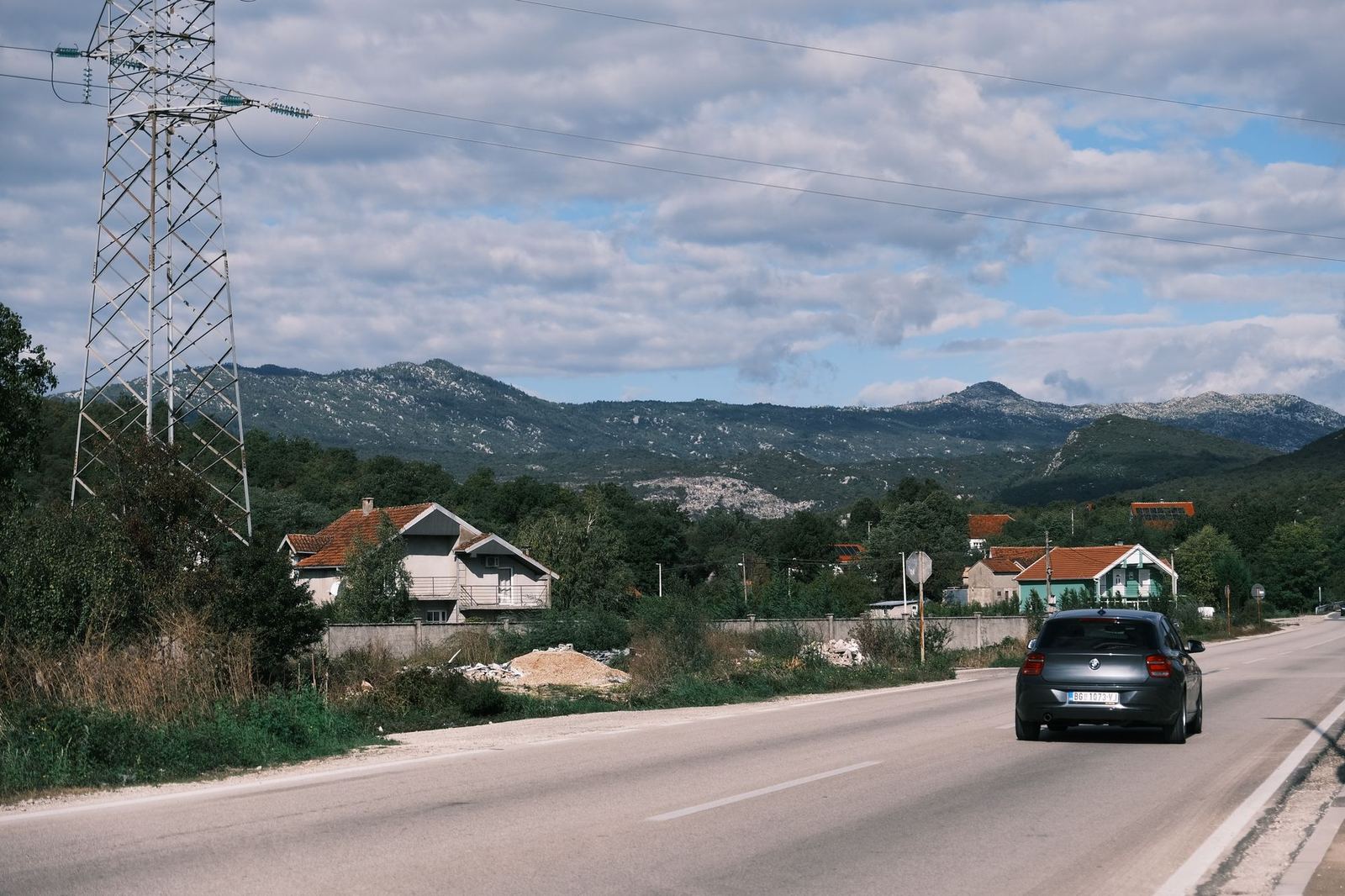
How to plan a roughly 700 km journey with charging stops: stops, durations and cost.
Setting off on a long drive in an electric car can be more relaxing than in a petrol car once it is planned properly. What matters is matching charging stops with the breaks you need anyway. Let's take a roughly 700 km route such as Istanbul to Antalya as an example.
1. Before you leave
Charge the car to near 100% at home or at an AC point; remember that DC fast charging is not the cheapest. Enter your car and starting charge level into the route planner in our app, and it suggests stops based on range, charging curve and weather. In cold weather range can drop 20-30%, so plan more cautiously in winter.
2. Stops and durations
A car with a 77 kWh battery and 17 kWh/100 km consumption can realistically cover about 380 km. On this route two fast-charging breaks are enough: a hub around Bolu-Afyon and a second one toward Isparta. Each stop takes 20 to 30 minutes for 10-80%, which adds about 50 minutes to the total journey.
3. Combine the break with charging
Combine charging time with a meal, tea and restroom break. Most Amperya motorway hubs are close to service areas. For families with children these 25-minute stops coincide with breaks you would need anyway.
4. Cost
About 120 kWh of energy is needed for 700 km. As a Plus member at DC 13.20 TRY/kWh you would pay about 1,600 TRY in total; for a 7 L/100 km petrol car the same trip costs roughly 2,550 TRY in fuel. You can try your own car in our calculator.
5. Backup plans
- Identify an alternative station next to every hub on your route.
- Reserve in the app to guarantee a free socket on arrival.
- Plug in before the battery falls under 10%; do not leave it to the last minute.
With these habits a long drive by EV becomes a calm and economical experience.
Extra tips for winter driving
In cold weather the battery chemistry slows; charging speed and range fall. Pre-heat the car 15 to 20 minutes before leaving while it is still plugged in, so the battery and cabin warm using grid energy. If you set a charging station as the navigation destination, the car preconditions the battery so it arrives at the ideal temperature. That one setting can shorten DC charging time by up to 30% in winter. Also, cruising at a steady 110 km/h on the motorway uses about 18% less energy than 130 km/h; driving near the speed limit brings the next stop that much closer.
Finally, read the station comments in the app: notes left by other drivers tell you in advance which socket is faulty or whether a café is open.
Related Posts
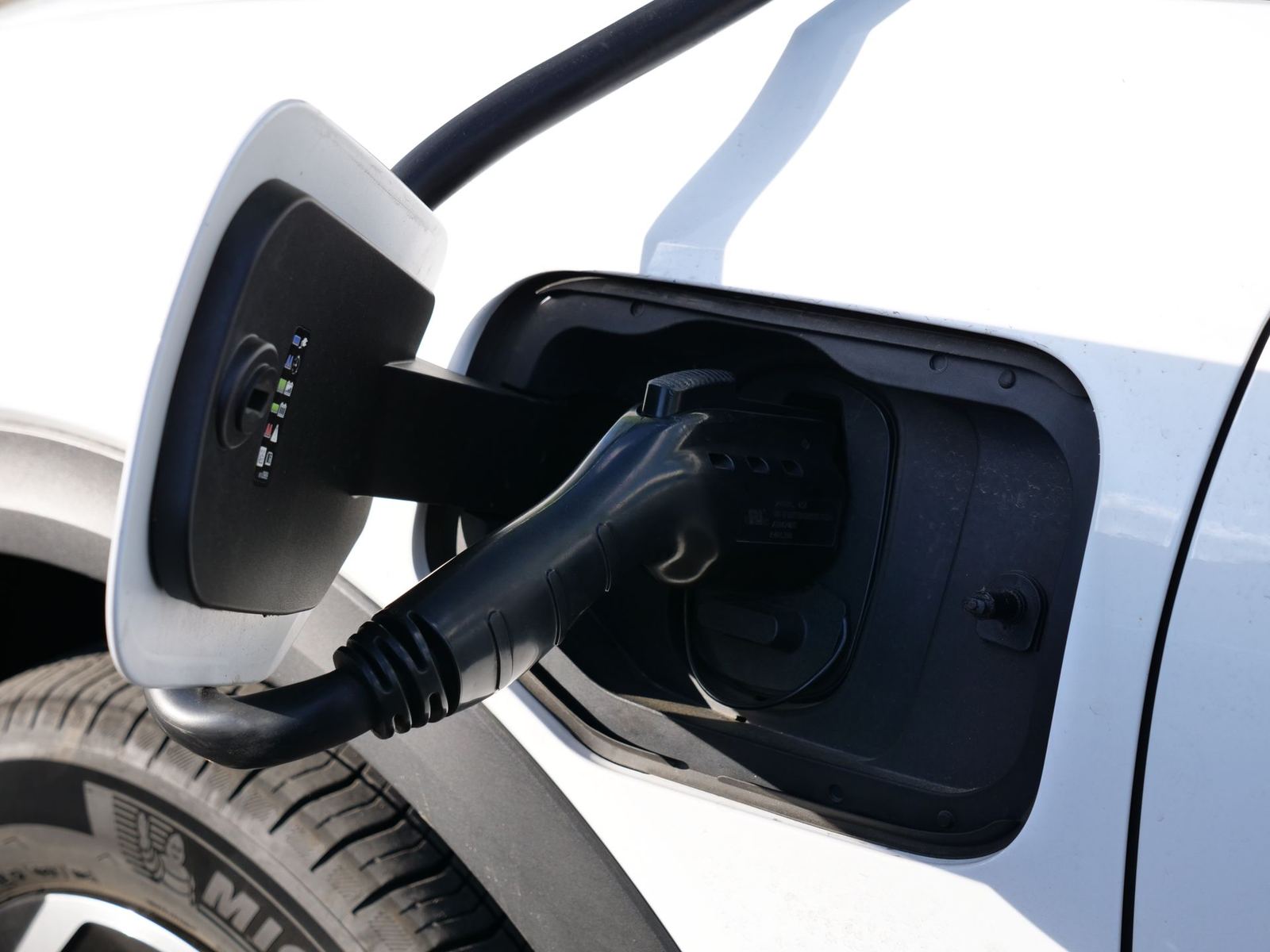
AC or DC? When to use which charging
A comparison of AC and DC charging in terms of battery health, cost and time, with advice for daily use.
Read More