

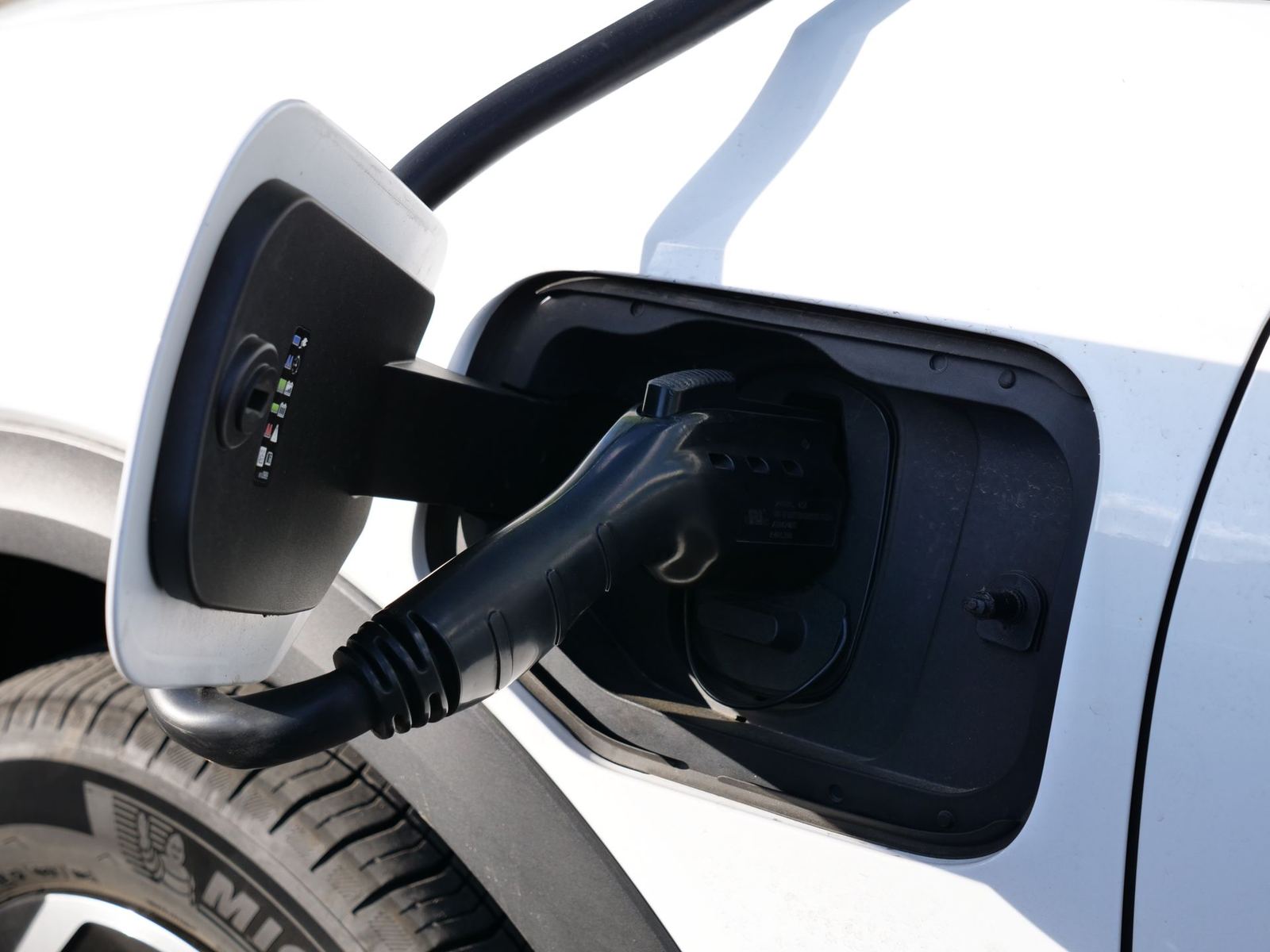
A comparison of AC and DC charging in terms of battery health, cost and time, with advice for daily use.
A common question from EV owners is whether DC fast charging damages the battery. The short answer: occasional fast charging is no problem, but making it a daily habit may age the battery slightly faster in the long run. Let's look at the differences between the two methods.
Time
For a 60 kWh battery, 10-80% needs about six hours at 7.4 kW AC, four hours at 11 kW AC and two hours at 22 kW AC (if the car supports it). At 120 kW DC it takes about 25 minutes. If time is critical, DC makes sense; if not, AC does.
Cost
On public networks DC is roughly 70% more expensive per kWh than AC because equipment and grid connection costs are much higher. Home charging on a night tariff is the cheapest solution.
Battery health
High current and heat accelerate cell ageing. Although modern battery management systems limit this, drivers who use DC more than a few times a week may see 1-3% extra capacity loss after eight to ten years. For most users the difference is negligible.
Practical advice
- Cover daily needs with AC at home or at work.
- Use DC for trips and emergencies.
- Do not keep charging past 80% on DC; speed drops anyway.
- Avoid leaving the battery at 100% or 0% for long; make 80% your daily target.
Which membership suits you?
If you mostly use AC, the Standard package fits; if you use DC regularly, Plus or Max is more economical. Our membership comparison tool calculates the lowest-cost package for your monthly consumption.
A real-life example
A driver who covers 300 km a week and has an AC wallbox at home uses about 220 kWh a month. Charging it overnight at 7.40 TRY/kWh (Plus membership) costs about 1,630 TRY a month. Buying the same energy entirely from DC at 13.20 TRY/kWh would cost 2,900 TRY. The gap of about 1,270 TRY exceeds 15,000 TRY a year. Using DC only when you really need it therefore protects both battery health and budget.
For those without home charging, AC points at workplace or mall car parks are usually an adequate and affordable second choice.
A note on socket and power compatibility
If your car's maximum acceptance is lower than the station's power, charging proceeds only at the car's limit. For example, a car accepting 50 kW still gets 50 kW when plugged into a 180 kW unit. Knowing your car's charging curve therefore helps you choose the right station and avoid an unnecessarily high tariff.
Related Posts

Long-distance trips by EV: a practical guide for the Istanbul-Antalya route
How to plan a roughly 700 km journey with charging stops: stops, durations and cost.
Read More